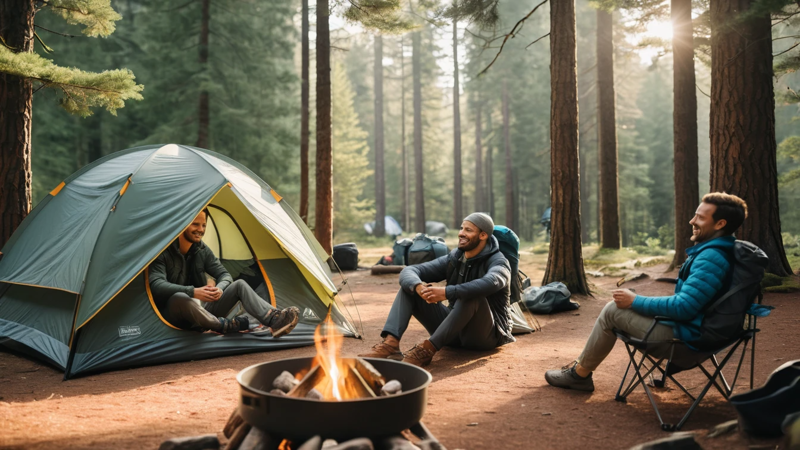
How to plan a camping trip for beginners the easy way. Learn simple steps, gear tips, and stress-free planning ideas.
Planning a camping trip for beginners means choosing the right campsite, packing simple gear, preparing easy meals, and staying safe. Start small, plan ahead, and focus on comfort. With the right steps, camping becomes fun, relaxing, and confidence-building.
Have you ever dreamed of sleeping under the stars but felt overwhelmed by planning?
Planning a camping trip for beginners is all about keeping things simple and realistic. You don’t need fancy gear or wilderness skills. You just need smart planning, basic supplies, and the right mindset. Let’s break it down step by step so your first trip feels exciting, not stressful 😊.
How To Plan A Camping Trip For Beginners 🏕️
Understand What Kind Of Camping You Want 🌄
Before packing anything, decide what type of camping fits you best. Beginner campers usually enjoy car camping at established campgrounds. These places offer restrooms, picnic tables, and nearby help. It’s a gentle way to start without feeling lost.
Think about comfort versus adventure. Do you want electricity, or are you okay without it? Are you camping solo or with family? Answering these questions early makes every other decision easier.
Choose A Beginner-Friendly Campsite 📍
Picking the right campsite can make or break your first trip. Look for campgrounds with clear rules, marked sites, and good reviews. National and state parks are great options for beginners.
Check distance and accessibility. A campsite close to home reduces travel stress. Also look for flat ground, shade, and clean facilities. These small comforts matter a lot on your first outing.
Pick The Right Time And Weather ☀️
Weather plays a huge role in camping comfort. Beginners should avoid extreme heat, cold, or rainy seasons. Late spring and early fall are usually ideal.
Always check the forecast a few days before leaving. Mild temperatures and clear skies make learning camping skills easier. Bad weather can turn simple tasks into frustrating ones quickly.
Decide How Long To Camp ⏳
Short trips are best for beginners. A one- or two-night stay gives you a taste without exhaustion. You’ll learn what works and what doesn’t.
Long trips require advanced planning and experience. For now, focus on enjoying the basics. Ending the trip wanting more is better than feeling burned out.
Create A Simple Camping Budget 💵
Camping doesn’t have to be expensive. Start by listing major costs like campsite fees, food, and basic gear. Borrow or rent equipment when possible.
Avoid buying everything at once. Focus on essentials first. Over time, you can upgrade gear based on real experience, not guesswork.
Pack Essential Camping Gear Only 🎒
Overpacking is a common beginner mistake. Bring only what you truly need. Essentials keep you safe, warm, and comfortable.
Here’s a simple starter gear guide:
| Must-Have Gear | Why It Matters |
| Tent | Shelter and weather protection |
| Sleeping bag | Warmth and comfort at night |
| Flashlight | Visibility after dark |
| First aid kit | Safety for small injuries |
| Cooler | Keeps food fresh |
Stick to basics. Fancy gear can come later once you understand your needs.
Choose The Right Tent And Sleeping Setup 🛏️
Your sleep setup affects your entire trip. Choose a tent rated for your group size plus extra room. Space matters when storing bags and moving around.
Use a sleeping pad or air mattress for comfort. Sleeping directly on the ground is rough for beginners. A good night’s sleep makes everything better.
Plan Easy Camping Meals 🍳
Simple meals reduce stress. Choose foods that are easy to cook and clean up. One-pot meals are perfect for beginners.
Think about prep at home. Chop vegetables and pre-measure ingredients. Less work at camp means more time to relax and enjoy nature 🌲.
Bring The Right Cooking Supplies 🔥
Cooking gear should match your meals. A basic camp stove is easier than cooking over a fire. Fires require permits and skill.
Essential cooking items include:
- Camp stove or grill
- Lighter or matches
- Simple cookware
- Reusable plates and utensils
Keep it minimal. Too much gear creates clutter and confusion.
Understand Basic Camping Safety Rules ⚠️
Safety should always come first. Learn campground rules before arriving. Follow fire regulations and food storage guidelines.
Tell someone your trip plans. Keep your phone charged and know emergency numbers. Being prepared builds confidence and peace of mind.
Learn How To Store Food Properly 🐻
Food storage prevents wildlife problems. Never leave food out overnight. Use bear boxes or sealed containers if required.
Even small animals can cause trouble. Clean up after meals and dispose of trash properly. Respecting wildlife keeps everyone safe.
| Food Storage Method | Best Use |
| Bear box | Campgrounds with wildlife |
| Cooler with locks | Short car camping trips |
| Airtight containers | Snacks and dry food |
Wear Comfortable Camping Clothing 👕
Dress for layers, not fashion. Weather can change quickly outdoors. Comfortable clothes keep you warm, dry, and flexible.
Bring:
- Moisture-wicking shirts
- Warm jacket
- Comfortable shoes
- Extra socks
Dry feet and warm layers make a huge difference 😊.
Prepare For Camp Setup And Breakdown 🏗️
Arrive with daylight to set up camp. Setting a tent in the dark is frustrating. Take your time and follow instructions.
Practice setting up your tent at home. It saves time and stress. Breaking camp is easier when everything has a place.
Plan Simple Activities And Relaxation 🎣
You don’t need a packed schedule. Nature itself is entertainment. Walking trails, reading, or stargazing are perfect beginner activities.
Bring small extras like cards or a journal. Quiet moments are part of the camping magic ✨.
Teach Kids Or First-Timers Basic Camping Etiquette 👨👩👧
If camping with others, set expectations early. Respect quiet hours and shared spaces. Leave no trace behind.
Teach simple rules like cleaning up and respecting nature. Good habits make camping enjoyable for everyone.
Make A Beginner Camping Checklist 📝
Checklists reduce stress and prevent forgetting essentials. Create one before packing and review it twice.
| Category | Examples |
| Shelter | Tent, stakes, tarp |
| Sleep | Sleeping bag, pillow |
| Food | Meals, snacks, water |
| Safety | First aid, flashlight |
A checklist turns chaos into calm 👍.
Mentally Prepare For Imperfection 🌧️
Camping won’t be perfect. Something may go wrong, and that’s okay. Flexibility is part of the experience.
Laugh at mistakes and learn from them. Every camper starts as a beginner. Each trip builds confidence and skill.
Learn From Your First Camping Experience 📘
After your trip, reflect on what worked. Note what you used and what stayed packed. This helps future planning.
Camping gets easier every time. With each trip, you’ll feel more prepared and relaxed. That’s the real reward.
Conclusion 🌟
Planning a camping trip for beginners doesn’t need to be complicated. Start small, plan smart, and focus on comfort and safety. Choose the right campsite, pack only essentials, and keep meals simple. With practice, camping becomes an enjoyable and confidence-boosting adventure.
FAQs ❓
What is the easiest way to start camping?
Start with car camping at an established campground. Choose a short trip close to home. Focus on comfort and basics.
How much does beginner camping cost?
Beginner camping can be low-cost. Campsite fees and food are the main expenses. Borrowing gear saves money.
What should first-time campers not forget?
Don’t forget shelter, sleeping gear, food, and safety items. A checklist helps avoid mistakes. Preparation reduces stress.
Is camping safe for beginners?
Camping is safe with basic precautions. Follow campground rules and weather updates. Preparation makes a big difference.
How long should a first camping trip be?
One or two nights is ideal. It gives experience without exhaustion. Short trips build confidence quickly.